


 BACK
BACKRenewable Energy Powering Cerro Verde and El Abra
 February 2, 2026 - The electricity that powers Freeport’s two mines in South America now comes almost exclusively from renewable energy sources.
As of January, both Cerro Verde and El Abra have in place agreements with power companies to purchase power generated from renewable sources to supply virtually all electricity for both sites.
Previously, Cerro Verde in Peru bought electricity from two power companies. The primary provider already was supplying renewable hydroelectric power. However, a second company delivered electricity from multiple generating sources, including non-renewables. In January, that second provider was replaced, and a new power purchase agreement with a different company took effect. It requires that electricity be generated from renewable sources.
El Abra in Chile has been powered exclusively by electricity generated from renewable sources since 2023. Its single electricity provider relies primarily on hydroelectric for its renewable generation but also uses other sources like solar and wind.
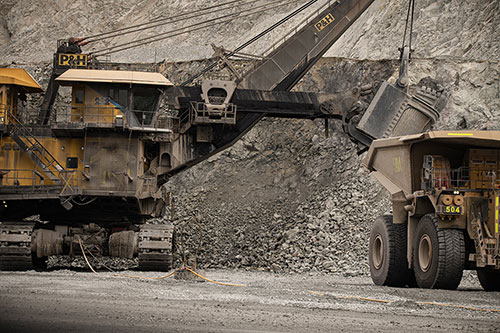
The reliance on renewable power does not include haulage, which still runs on diesel-powered trucks. It does include all electrical consumption, which includes equipment such as shovels, crushers, conveyors and mills – basically everything but haul trucks and moving vehicles.
Attaining near-100 percent renewable electric power is important for the Americas’ copper mines to achieve the 2030 Climate Reduction Target of reducing carbon emissions intensity per ton of cathode produced in the Americas by 15 percent, said Milton Valdes, Chief Climate Engineer.
Copper demand on the rise
Demand for copper is expected to increase 50 percent through 2040, driven by products that use large amounts of the metal, including electric vehicles, data centers, and enhanced electrical generation and transmission infrastructure, as customers and markets increasingly seek lower-carbon products.
“The metals essential for the energy transition and global decarbonization must be mined and produced in ways that significantly reduce their carbon footprint,” Valdes said. “From data centers to electric vehicles—and the substantial amount of copper they require—the technologies shaping our future increasingly depend on materials manufactured with lower carbon processes.
“This challenge also presents a tremendous opportunity. By adopting cleaner production methods, leveraging innovative materials and deploying advanced technologies, we can reduce emissions across our value chain while enhancing sustainability, efficiency and long-term competitiveness.”
Stipulating renewable power in the agreements does not significantly affect the price being paid at either Freeport site, said Mark Hanson, Director-Energy Management. At each site, electricity is delivered from the same national power grids as it always has been.
Both Peru and Chile have national power grids that supply electricity to users. Individual power generating companies feed into each national grid.
The electricity is received at the sites via connections to these grids and cannot be physically traced to any particular source, Hanson said. Therefore, it is essential to have contractually robust power purchase agreements that define how the renewable energy is accounted for.
The power generation companies certify their renewable energy production with “Renewable Energy Credits,” which are provided to the customer along with the energy sold under the contacts. This requirement also creates an incentive for energy providers to invest in new renewable power generation, especially when the customer is a large power user like a mine.
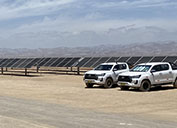
One example is the San Martin solar generation facility connected to Cerro Verde’s San Jose substation. In operation since June 2025, it is Peru’s largest solar plant and provides a significant proportion of the renewable energy purchased by the mine, Hanson said. It was built to help fulfill the contractual requirements of the new power purchase agreement to deliver renewable power to the site.
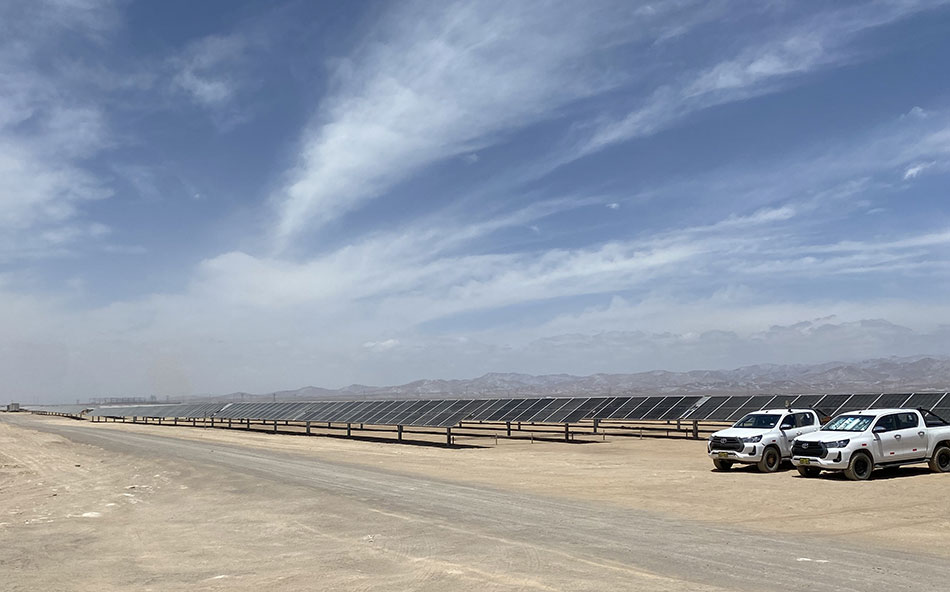
Photos (top to bottom): Electricity generated from renewable sources is delivering virtually all power used in non-haulage operations at Cerro Verde – running everything including shovels, crushers and conveyors; The San Martin solar generating facility connected to Cerro Verde provides a significant amount of renewable energy to the mine.



© 2026 Freeport-McMoRan
SOCIAL
RECOGNITION